
India’s relationship with fashion, especially women’s clothing, is a reflection of its rich cultural tapestry, regional diversities, and evolving modern tastes. For centuries, traditional attire has played a significant role in representing identity, social status, and heritage. Today, however, the Indian woman’s wardrobe is a dynamic mix of tradition and global influence.
Traditional Roots and Regional Identity
Women clothing in India has historically varied across regions, climates, and cultures. Sarees, salwar-kameez, lehengas, and ghagras have been the foundation of traditional attire. The fabrics, designs, and weaving techniques differ greatly depending on where they are made. For instance, the Banarasi silk saree from Uttar Pradesh is known for its rich brocade, while the Kanjeevaram from Tamil Nadu is admired for its durability and temple motifs.
These garments are more than just clothing—they are art forms. They carry historical context, skilled craftsmanship, and cultural pride. However, what makes Indian clothing truly unique is its versatility. A single piece like the saree can be draped in over a hundred different ways depending on the region or occasion.
The Shift Towards Modernity
While traditional clothing remains an integral part of Indian women’s lives, especially during festivals, weddings, and religious occasions, modern attire is taking precedence in everyday wear. Urbanization, increased workforce participation, and exposure to global fashion have contributed to this shift.
Today, many women in metropolitan areas prefer jeans, skirts, trousers, and dresses for practicality. Indo-western fusion has become a significant trend. Kurtis with leggings, palazzo pants, and crop tops paired with ethnic jackets illustrate how fashion has evolved while still paying homage to traditional roots.
Influence of Globalization and Media
Globalization has played a pivotal role in shaping the modern Indian woman’s fashion sense. International brands and social media platforms have introduced global fashion trends to the Indian audience. At the same time, Indian designers are gaining international recognition, bringing native textiles and styles to global runways.
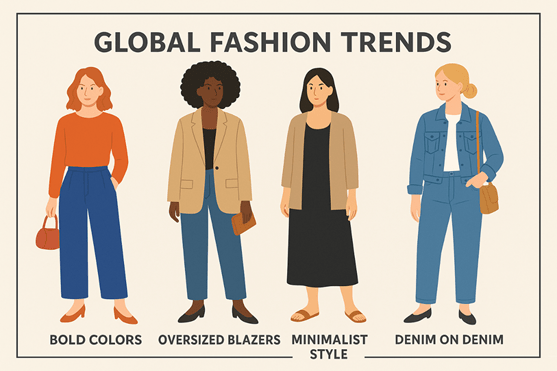
Fashion bloggers and influencers, particularly on platforms like Instagram and YouTube, have also altered the landscape. Styling tips, outfit ideas, and tutorials have democratized fashion, making it accessible and inspirational for women across economic and social spectrums.
Sustainability and Revival of Crafts
Another notable trend in the space of women clothing in India is the growing awareness of sustainability. Many Indian women are becoming more conscious of their fashion choices, choosing handloom, organic fabrics, and ethically produced garments. This shift is not just about environmental concerns but also about supporting local artisans and preserving dying crafts.
Designers and NGOs are increasingly working to revive ancient weaving and dyeing techniques. For instance, khadi—a handspun and handwoven fabric popularized by Mahatma Gandhi—has found new life in modern silhouettes. This synergy of sustainability and style is redefining contemporary fashion narratives in India.
Challenges and Changing Norms
Despite these progressive changes, fashion in India is still influenced by social norms and expectations. Dress codes, especially in smaller towns and conservative communities, often dictate what is deemed “appropriate” for women. However, conversations around gender, body positivity, and personal freedom are challenging these norms.
Young women, in particular, are increasingly using clothing as a form of self-expression. Whether it’s through vibrant prints, edgy cuts, or unconventional pairings, fashion is no longer just about aesthetics—it’s also a medium for asserting individuality.
Regional Textiles and the Urban Market
Interestingly, even as modern attire dominates urban markets, there is a renewed interest in regional textiles. Fabrics like Chanderi, Maheshwari, Bandhani, and Ajrakh are being adapted into modern cuts such as dresses, tops, and jumpsuits. This not only gives traditional weaves a contemporary appeal but also ensures their survival in a competitive fashion market.
The urban woman today might wear a handloom sari to a corporate event or a linen kurti on casual Fridays. The blending of old and new is not just accepted—it is celebrated.
Summary
Women clothing in India has undergone a significant transformation over the past few decades. From its roots in regional traditions to the embrace of global trends, Indian women’s fashion reflects a unique journey of cultural preservation and modern adaptation. While sarees and salwars continue to be wardrobe staples, modern and sustainable fashion has found its place in Indian society. Amid social change and rising individualism, clothing is now a language of expression, identity, and resistance.




Leave a comment